
Susan Jacob - Nutritionist
A Certified Nutritionist, Sports Nutritionist, Fertility , Maternal and Nutrigenomics Expert with over 12 years of experience, Susan Jacob leads SJ Nutrizione, empowering individuals and athletes to achieve sustainable health and peak performance through personalized, science-backed nutrition. Her areas of expertise include: Lifestyle Nutrition, Sports Nutrition, Holistic Nutrition and Medical Nutrition. Her motto lies in Transforming Lives through the power of food and nutrition.
Table of Contents:
- Why Protein is crucial after 50
- The Critical role of Supplements
- Bridging the nutritional gap
- The Power of community action
- Author
- References
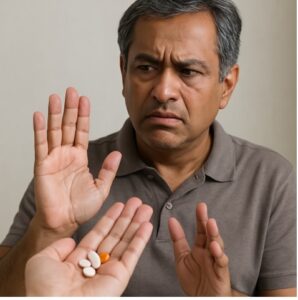
The ageing population in Asia, particularly in India, is on an unprecedented rise. By 2050, projections indicate that over 20% of India’s demographic will be over 60 years old—a statistic that sheds light on a burgeoning health crisis. Yes, we are living longer than ever, but are we truly living better? The quality of life for our seniors, especially in terms of health, is alarmingly at risk, primarily due to low protein intake and insufficient essential nutritional supplements.
Why Protein Is Crucial After 50
As we age, our bodies naturally undergo changes that lead to muscle loss, known as sarcopenia. This is not just an inevitable part of growing older; it poses real threats to daily function, immunity, and recovery. Research indicates that older adults in Asia consume significantly less protein than necessary. An alarming study published in The Journal of Nutrition, Health and Aging revealed that over 60% of Asian adults over 50 fail to meet the minimum daily protein requirement of 0.8 g/kg body weight. But wait—experts now recommend even higher intakes of 1.0–1.2 g/kg/day for those over 50 to safeguard muscle health. The barriers to achieving these protein needs are real and multifaceted: cultural dietary habits, diminished appetite, and limited access to high-quality protein sources all combine to create a perfect storm of inadequate nutrition. But it doesn’t have to be this way.
The Critical Role of Supplements
Protein is only part of the equation. Many older adults are also deficient in essential micronutrients like vitamin D, calcium, B12, and omega-3 fatty acids. A multi-country study highlighted in Nutrients found a widespread vitamin D deficiency among Asian seniors, drastically increasing their risk of osteoporosis and falls. A similar story emerges for B12 deficiency, which is often overlooked and exacerbated by age-related absorption issues and dietary choices. Despite these alarming deficiencies, the uptake of supplements remains shockingly low—fewer than 25% of older Asians regularly use nutritional supplements, according to a survey from Geriatrics & Gerontology International. Misconceptions, social stigmas, and limited availability complicate matters even further, particularly in India.
Bridging the Nutritional Gap
We cannot afford to stand by as our elderly population’s health deteriorates. The solution lies in targeted education, innovative product development, and community outreach. Imagine the difference easy-to-consume multivitamins, plant-based protein powders, and tailored nutrition plans could make in the lives of our seniors. Supplementation should not be viewed as a quick fix but as a vital preventive strategy to ensure independence and vitality in later years. A groundbreaking randomized controlled trial published in Clinical Nutrition demonstrated that when Asian seniors received protein and vitamin D supplementation, their muscle strength significantly improved, and they experienced less risk of falls within just 12 weeks.
The Power of Community Action
Now is the time to take a stand for the health of our ageing population. We must work collectively to dispel myths surrounding supplementation, increase awareness about its importance, and make these resources accessible to all. The stakes are high, and the time for change is now. Let’s empower our aging community by prioritizing their nutritional needs. The future of our health depends on the actions we take today—because everyone deserves the chance to age gracefully.
Author:

Susan Jacob – Nutritionist
A Certified Nutritionist, Sports Nutritionist, Fertility , Maternal and Nutrigenomics Expert with over 12 years of experience, Susan Jacob leads SJ Nutrizione, empowering individuals and athletes to achieve sustainable health and peak performance through personalized, science-backed nutrition.
Her areas of expertise include: Lifestyle Nutrition, Sports Nutrition, Holistic Nutrition and Medical Nutrition. Her motto lies in Transforming Lives through the power of food and nutrition.
References
1. Woo J, et al. “Nutritional strategies to prevent muscle loss and sarcopenia in the ageing process: evidence and recommendations.” The Journal of Nutrition, Health & Aging. 2014;18(6):479–484. 2. Bauer J, et al. “Evidence-based recommendations for optimal dietary protein intake in older people: a position paper from the PROT-AGE Study Group.” Clinical Nutrition. 2013;32(6):929–936. 3. Tang M, Kreider R, et al. “Protein intake in the elderly population: a practical guide for healthcare professionals.” Current Opinion in Clinical Nutrition & Metabolic Care. 2014;17(1):6–13. 4. Toh JY, et al. “Nutritional status and vitamin D deficiency among elderly in Asia: A review of the evidence.” Nutrients. 2021;13(2):659. 5. Kaur H, et al. “Prevalence of vitamin B12 deficiency in elderly patients and its association with neurological disorders.” Indian Journal of Clinical Biochemistry. 2019;34(2):218–223. 6.Nakamura K, et al. “Use of dietary supplements among older adults in Asia: results from a multi-country survey.” Geriatrics & Gerontology International. 2015;15(5):628–635. 7. Sharma M, et al. “Perceptions and usage of dietary supplements in older Indian adults: a cross-sectional community-based study.” Journal of Aging Research & Clinical Practice. 2020;9(1):22–28. 8. Kim H, Suzuki T, et al. “Effects of exercise and nutritional supplementation on body composition and physical function in older adults with sarcopenia: A randomized controlled trial.” Clinical Nutrition. 2018;37(6):1869–1875.