Table of Contents :
- The Hidden Crisis : Losing Microbial Diversity
- Why Gut Diversity Matters
- The Urban Lifestyle Disconnect
- Bridging the Gut Gap with Tradition
- The Power of Awareness and Community Action
- Author
- References
The Hidden Crisis: Losing Microbial Diversity
For thousands of years, the Indian gut microbiome co-evolved with fibre-rich foods, seasonal produce, and fermented staples like curd and idli. Yet today, studies reveal that urban Indians have nearly 30% fewer gut microbial species than rural populations (Nature, 2020). This loss of diversity is more than a scientific statistic; it is a silent health crisis. Reduced microbial richness is linked to poor fibre digestion, low immunity, chronic bloating, and even metabolic diseases. The question is not whether this shift matters, but how it affects our health today and what we can do to restore the balance.
Why Gut Diversity Matters
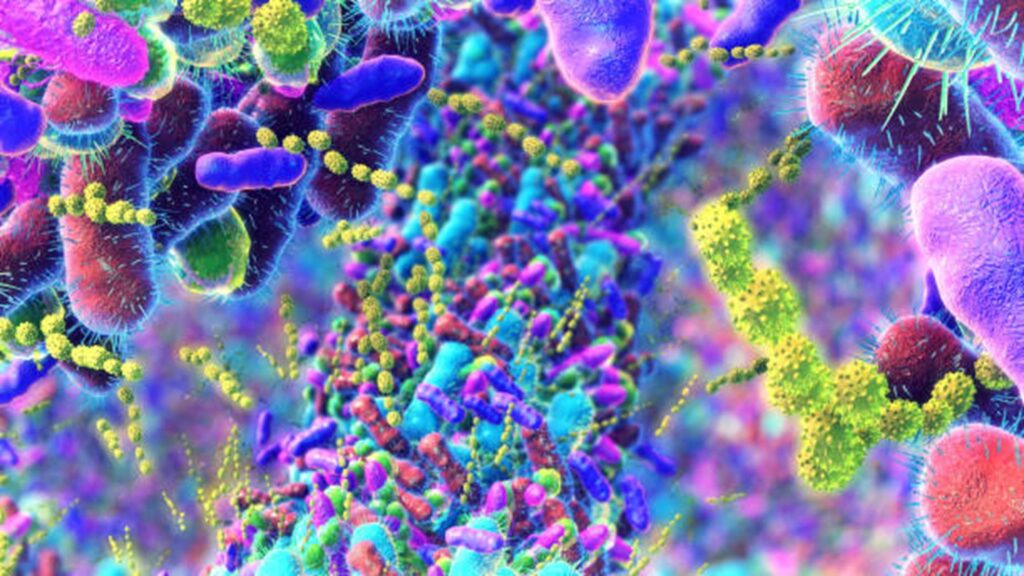
A diverse gut microbiome is critical for breaking down complex fibres, producing short-chain fatty acids (SCFAs), and regulating inflammation. In contrast, a depleted microbiome struggles to digest staples like dals, rotis, and leafy greens, leading to bloating, gas, and malabsorption. A cross-sectional study in the Indian Journal of Gastroenterology found that low gut diversity in urban Indians strongly correlated with higher levels of systemic inflammation and gastrointestinal discomfort. In other words, even healthy traditional foods may feel “heavy” or “indigestible” if the microbial workforce needed to break them down is missing.
The Urban Lifestyle Disconnect
Modern urban living is one of the biggest disruptors of gut ecology. Antibiotic overuse, refined oils, processed carbohydrates, and sugar-sweetened beverages all selectively eliminate beneficial bacteria while promoting opportunistic ones. Add to this stress, sleep deprivation, and reduced physical activity, and the gut–brain axis suffers. A landmark study in Nature Microbiology reported that gut profiles of urban Indians resembled those of Western populations more than rural Indians, suggesting that globalization and diet transitions are rapidly eroding India’s microbial heritage. This disconnect between a traditional diet and a “Westernized” microbiome explains why digestive complaints are soaring in Indian cities despite people eating “home-cooked” meals.
Bridging the Gut Gap With Tradition
The solution is not abandoning tradition but reviving and adapting it. Fermented foods and probiotics naturally replenish beneficial microbes. Homemade curd (dahi) provides Lactobacillus strains that support digestion, while fermented staples like idli, dosa, kanji, and pickles introduce microbial diversity. A randomized controlled trial published in the Journal of Functional Foods showed that daily consumption of fermented rice-based foods significantly improved gut microbial diversity and reduced symptoms of bloating in Indian adults. Similarly, polyphenol-rich spices like turmeric and ginger act as natural prebiotics, feeding beneficial bacteria. By embracing these practices, urban Indians can bridge the gap between modern living and ancient dietary wisdom.
The Power of Awareness and Community Action
Gut health is not just an individual responsibility but a collective one. Encouraging fermented food traditions, reducing unnecessary antibiotic prescriptions, and promoting awareness of microbiome-friendly diets are crucial for public health. Communities can reintroduce local food wisdom (such as kanji during summers or millet-based porridges in winter) while blending it with modern science through probiotics and prebiotics. A resilient microbiome ensures more than just smoother digestion; it safeguards immunity, mental well-being, and long-term vitality. The Indian gut has adapted for 5,000 years, and it’s time we help it thrive again.
Author :

Susan Jacob - Nutritionist
A Certified Nutritionist, Sports Nutritionist, Fertility , Maternal and Nutrigenomics Expert with over 12 years of experience, Susan Jacob leads SJ Nutrizione, empowering individuals and athletes to achieve sustainable health and peak performance through personalized, science-backed nutrition. Her areas of expertise include: Lifestyle Nutrition, Sports Nutrition, Holistic Nutrition and Medical Nutrition. Her motto lies in Transforming Lives through the power of food and nutrition.
References
1) Gupta VK, et al. “Comparative analysis of urban and rural Indian gut microbiomes reveals loss of microbial diversity.” Nature. 2020;588(7836):445–450. 2) Ghoshal UC, et al. “Gut microbiota and functional gastrointestinal disorders in India: emerging evidence.” Indian Journal of Gastroenterology. 2019;38(5):399–409. 3) Sonnenburg JL, et al. “Diet–microbiota interactions as moderators of human metabolism.” Nature Microbiology. 2016;1(6):16003 4) Winglee K, et al. “Urbanization and microbial diversity loss: a global perspective.” Nature Reviews Microbiology. 2021;19(5):274–285. 5) Ranjan R, et al. “Impact of fermented food intake on gut microbiota composition and function in Indian adults: a randomized trial.” Journal of Functional Foods. 2020;65:103735. 6) Chattopadhyay S, et al. “Antibiotic use and gut microbiome alterations in India: public health implications.” Frontiers in Public Health. 2021;9:671.
Recent Posts